
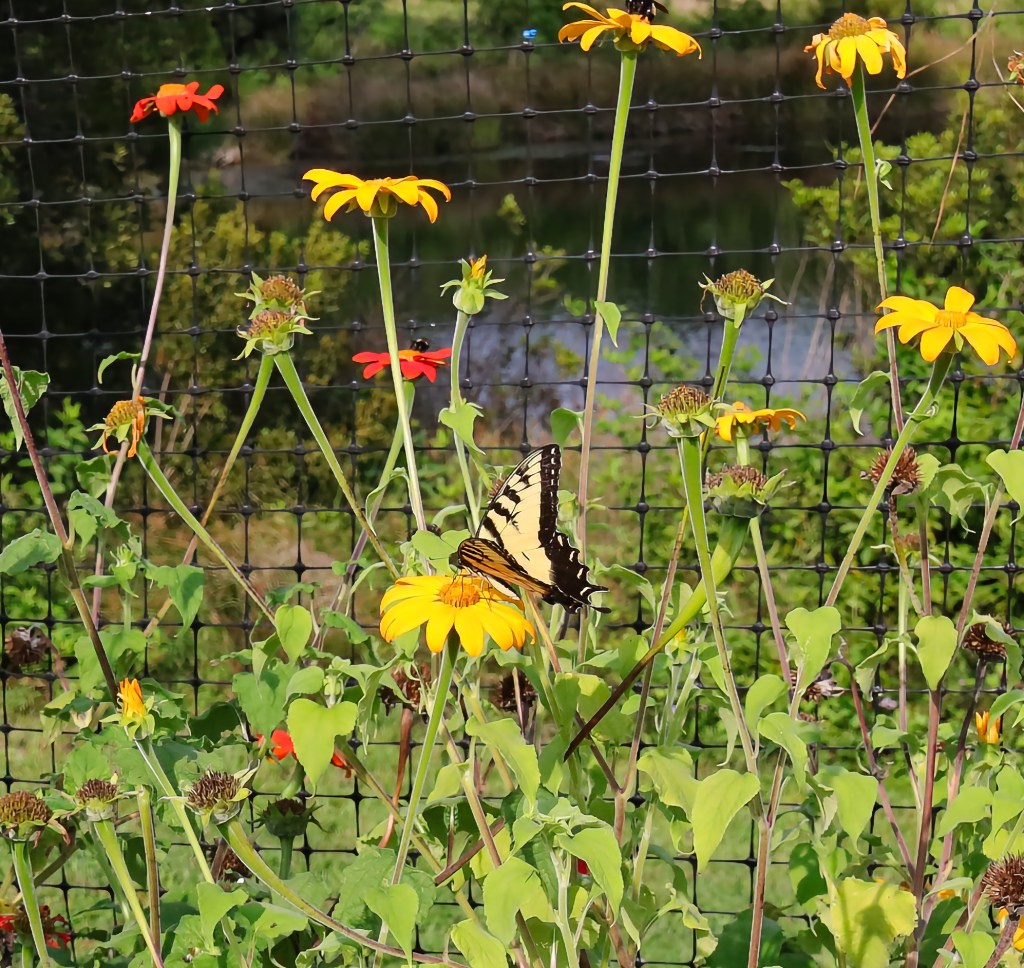
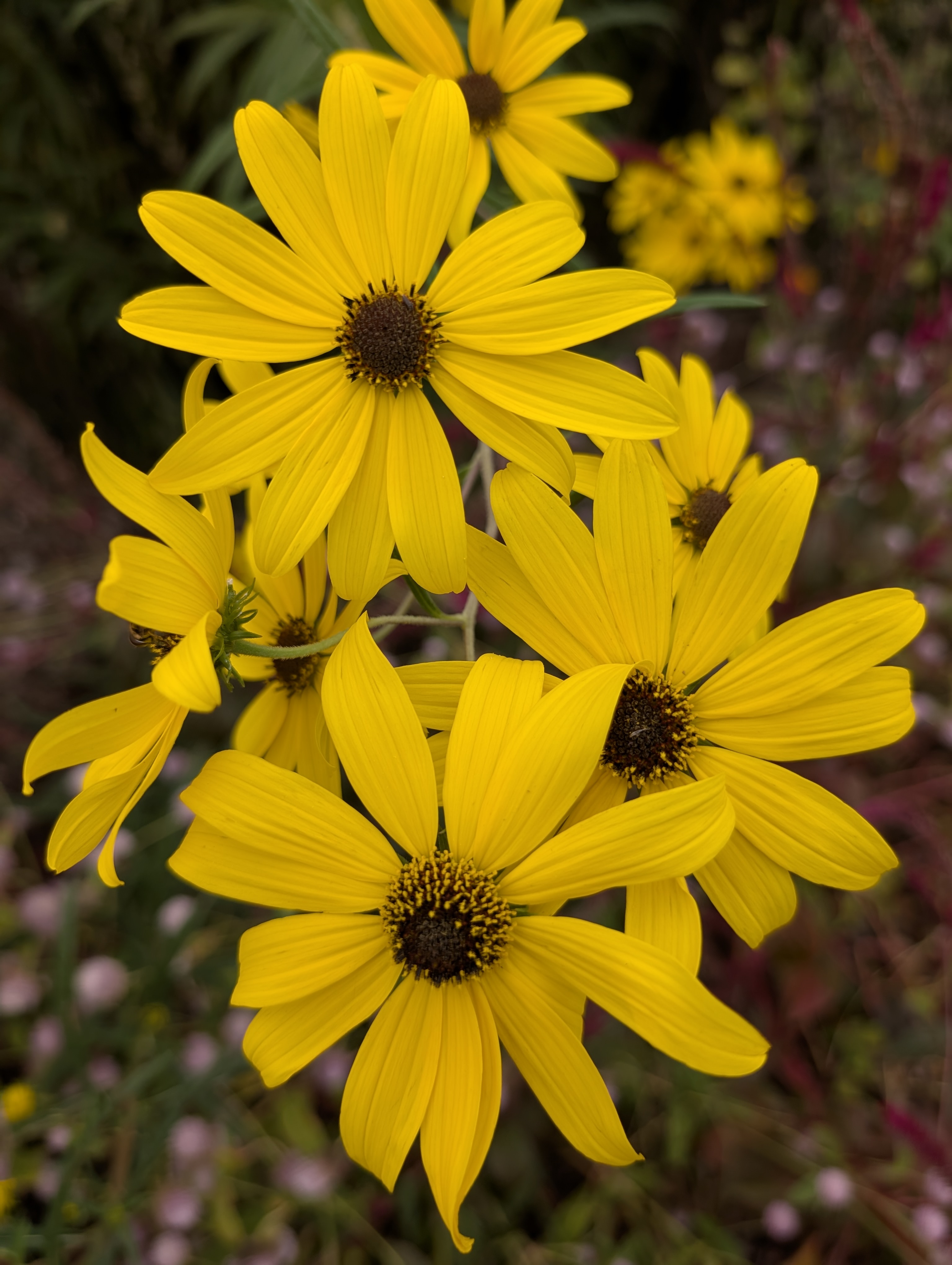
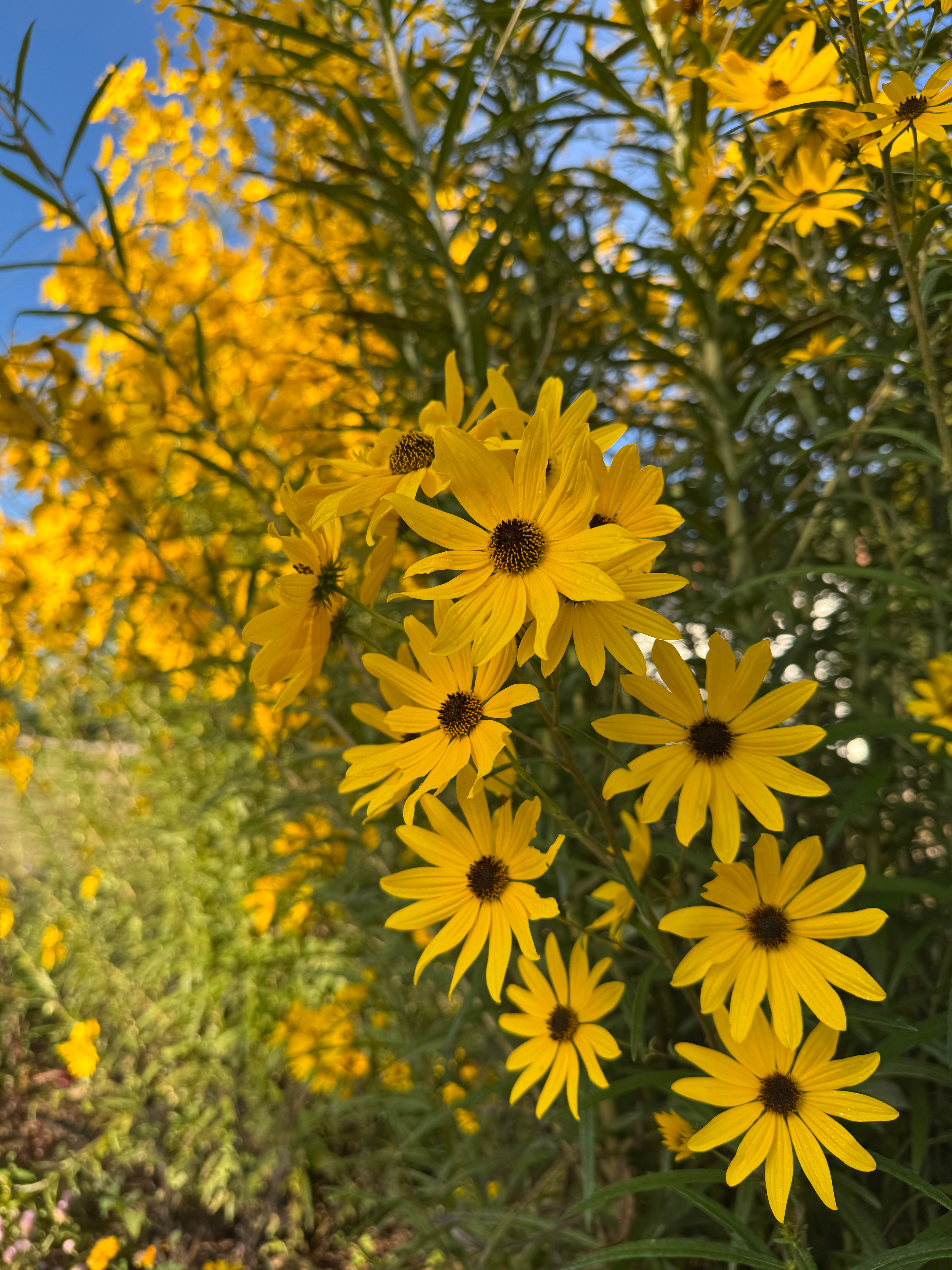
Every gardener knows that seeds, soil, sun, and water are essential for successful gardening, but without an abundant pollinator population, yields will be disappointing. Most people are familiar with the more common pollinators—honeybees and butterflies— but other creatures help, too. Beetles, moths, flies, solitary bees, and even birds and bats, also contribute to pollination. At Simple Gifts, we strive to protect these pollinators by avoiding pesticides and inorganic fertilizers. We also promote their abundance and health by planting herbs and native flowers that serve as hosts and a food source.
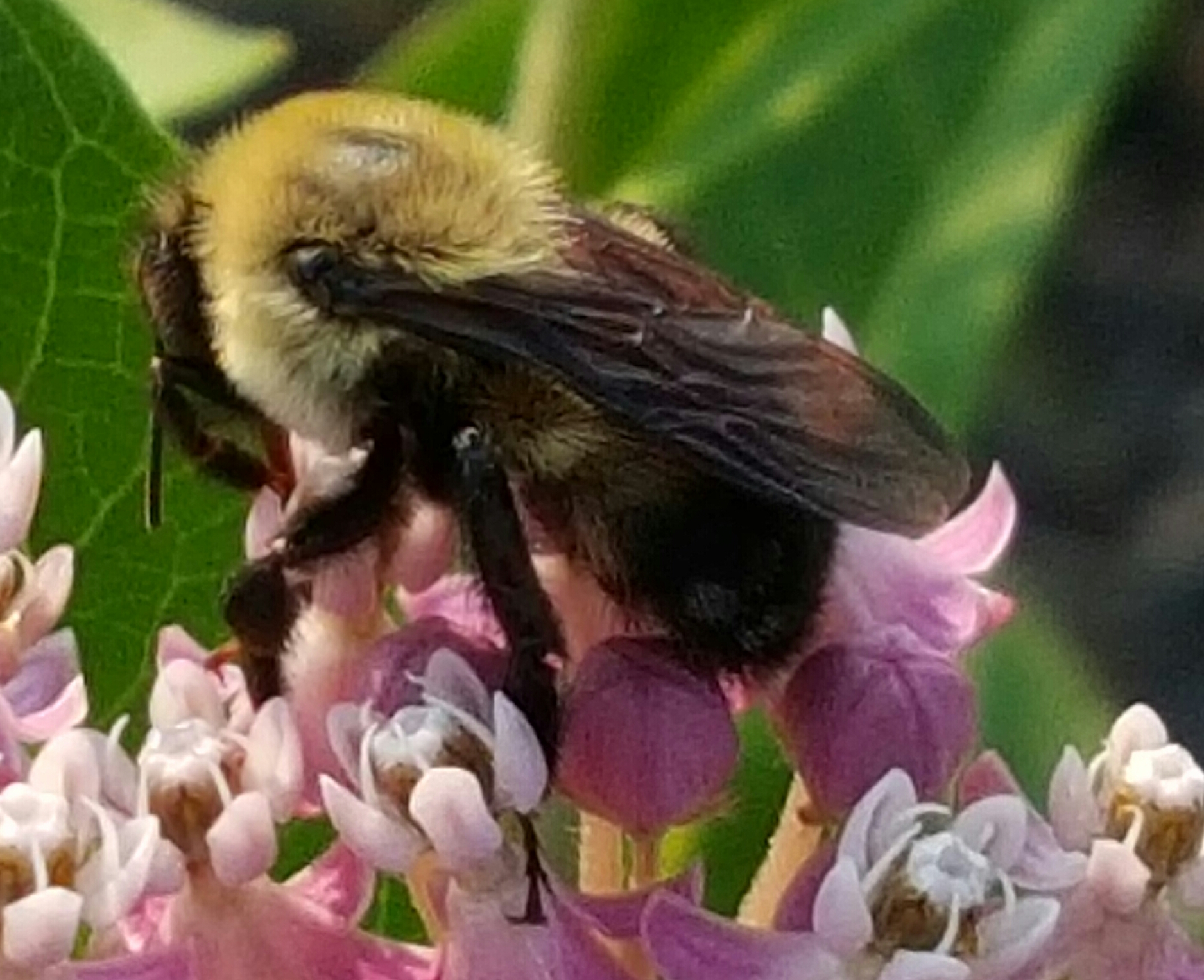
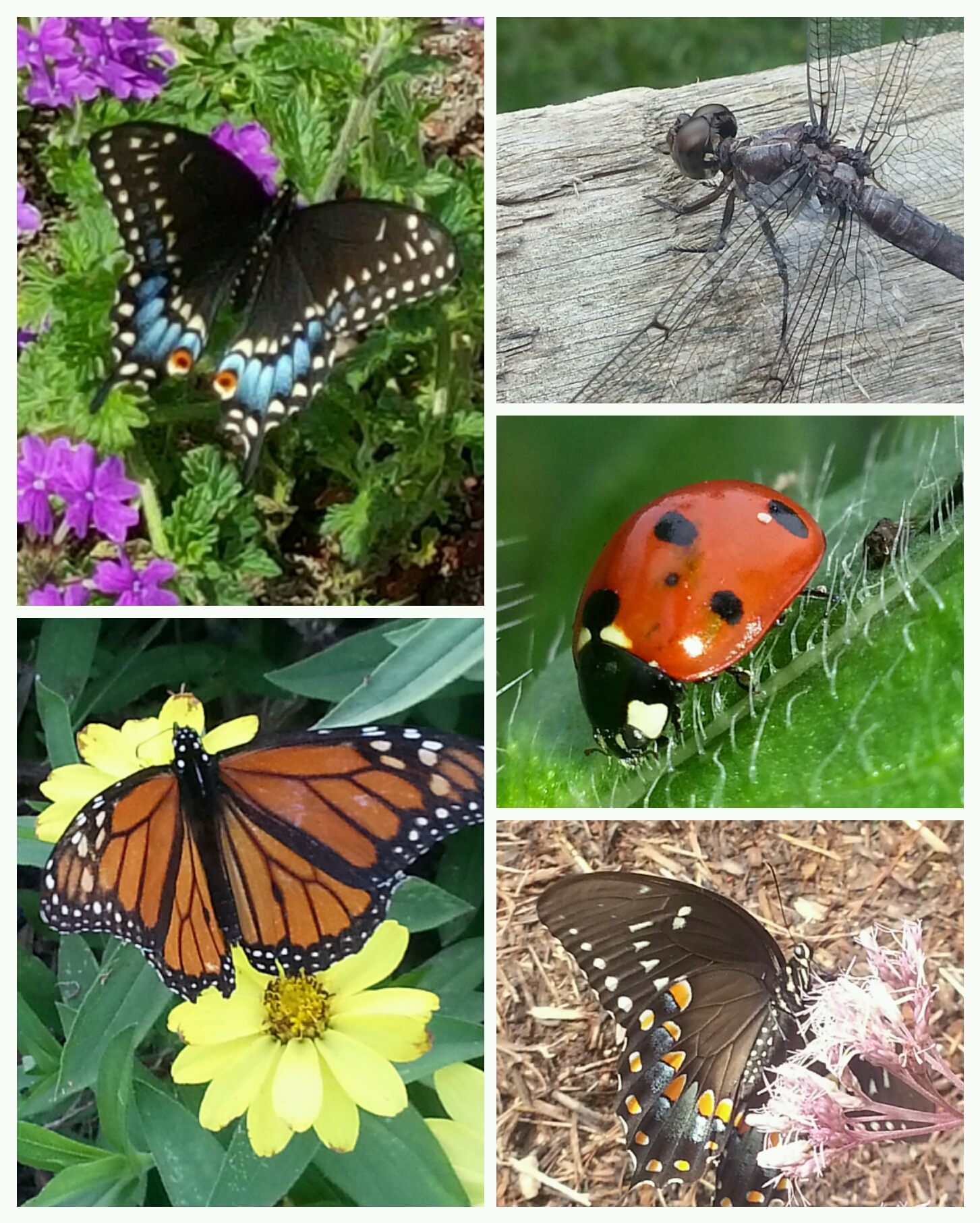
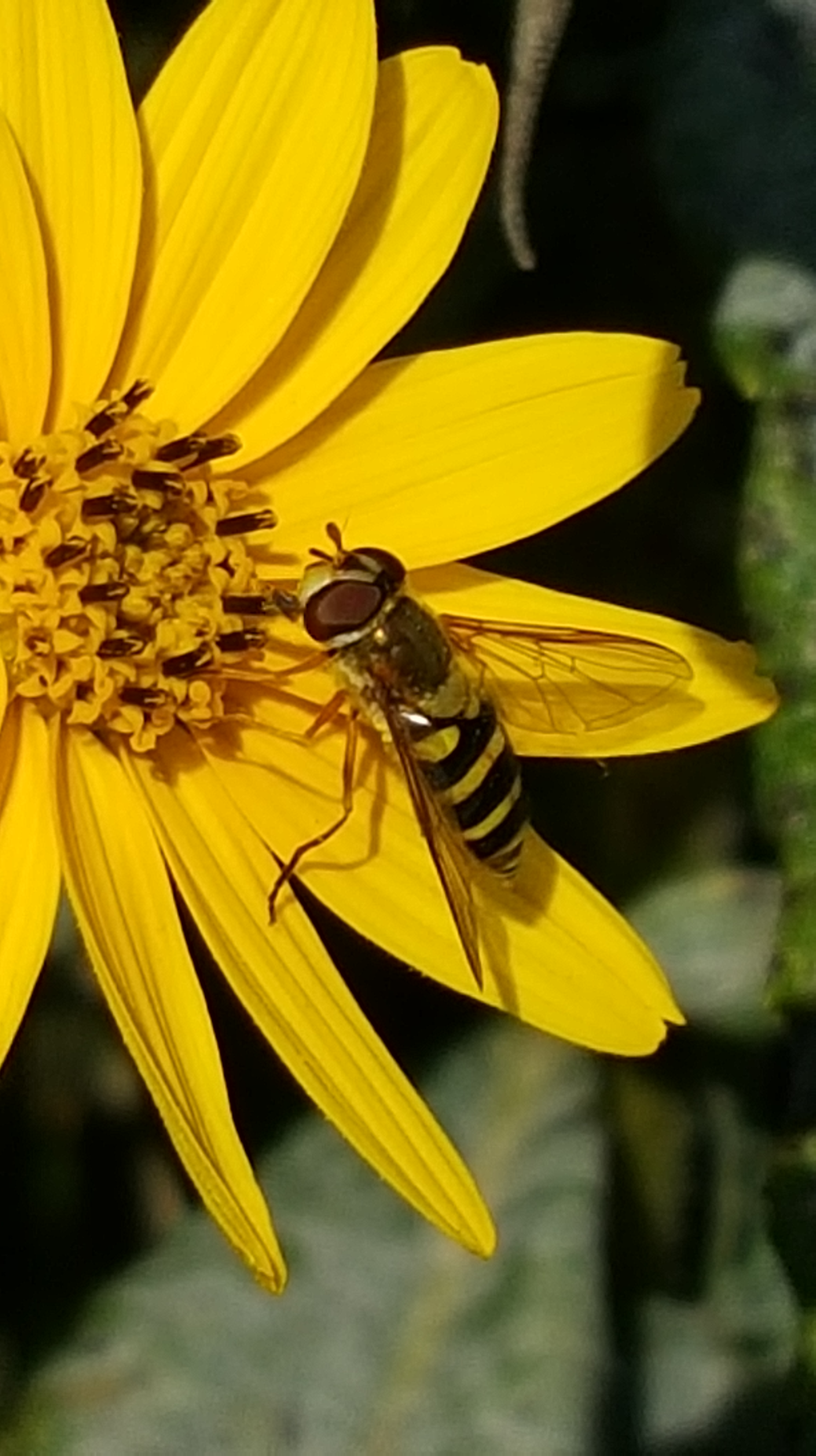
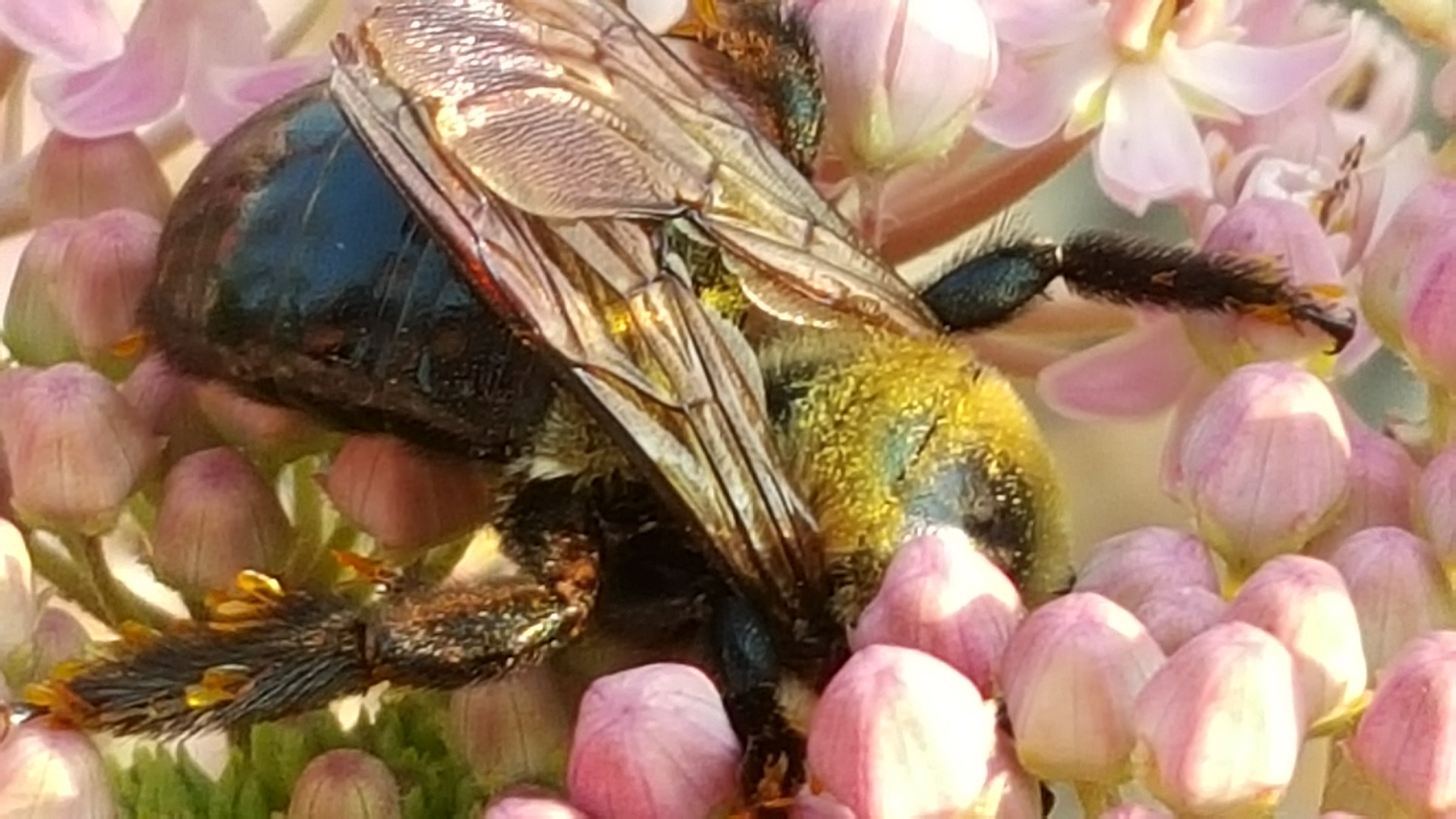
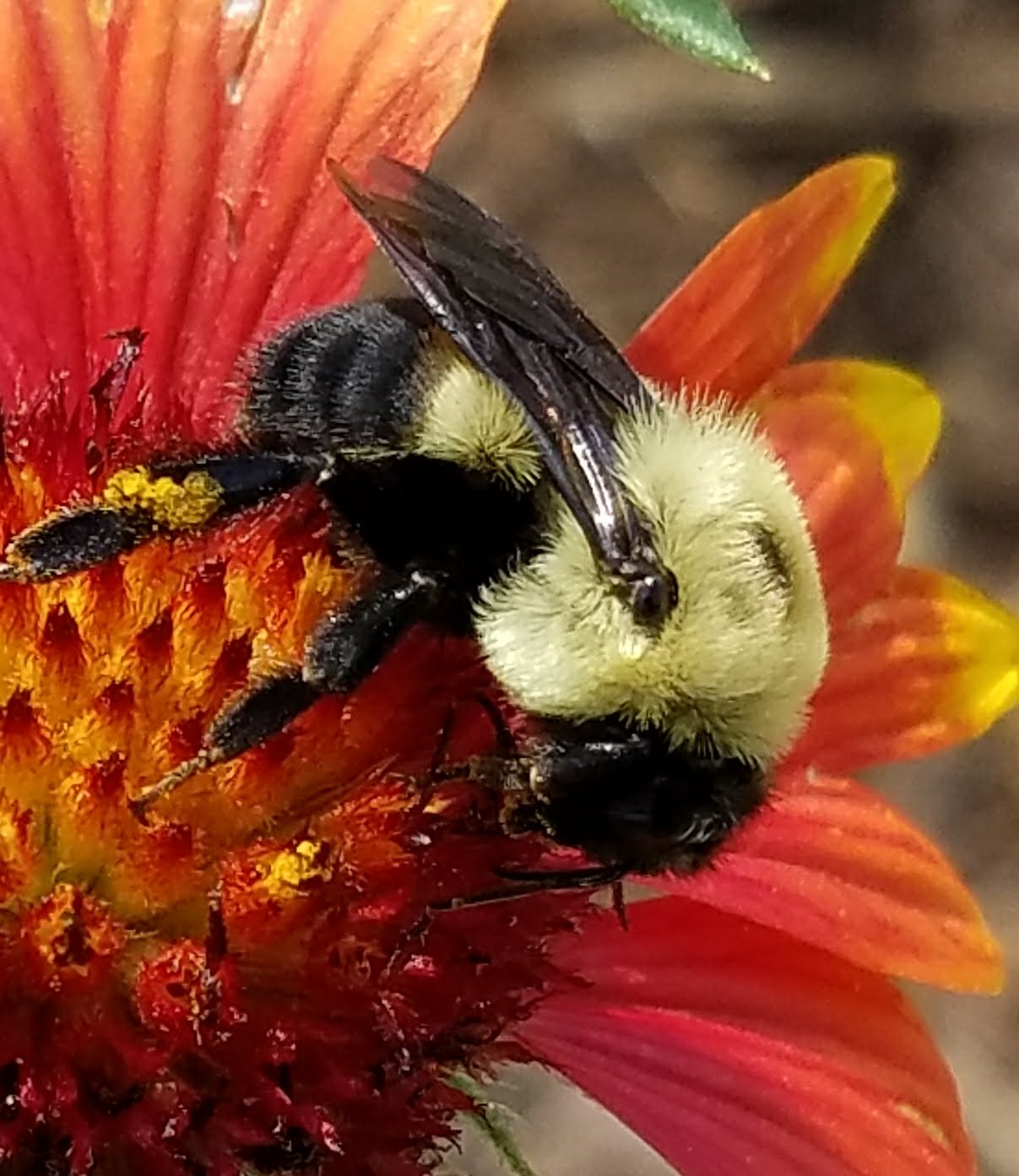

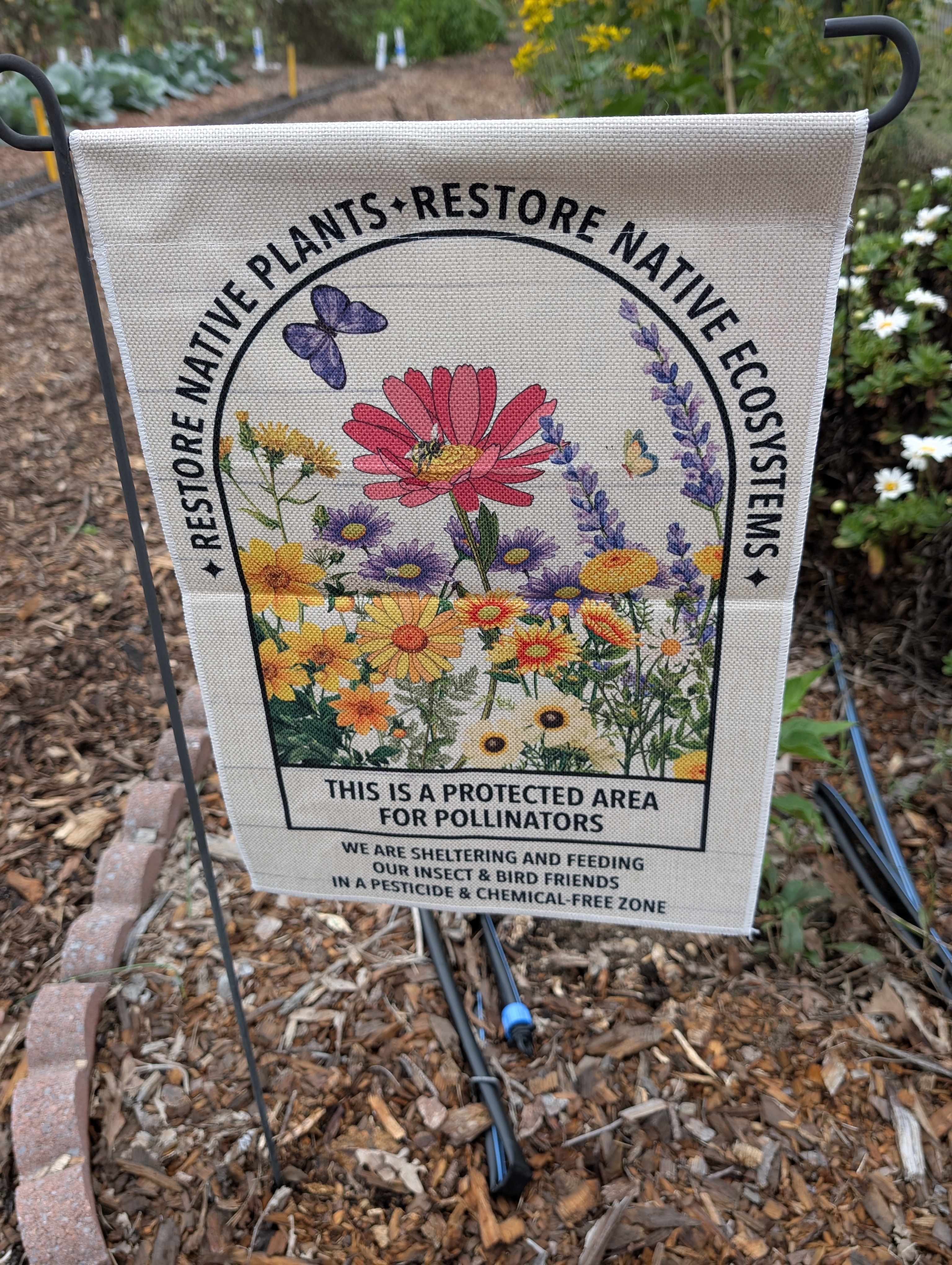
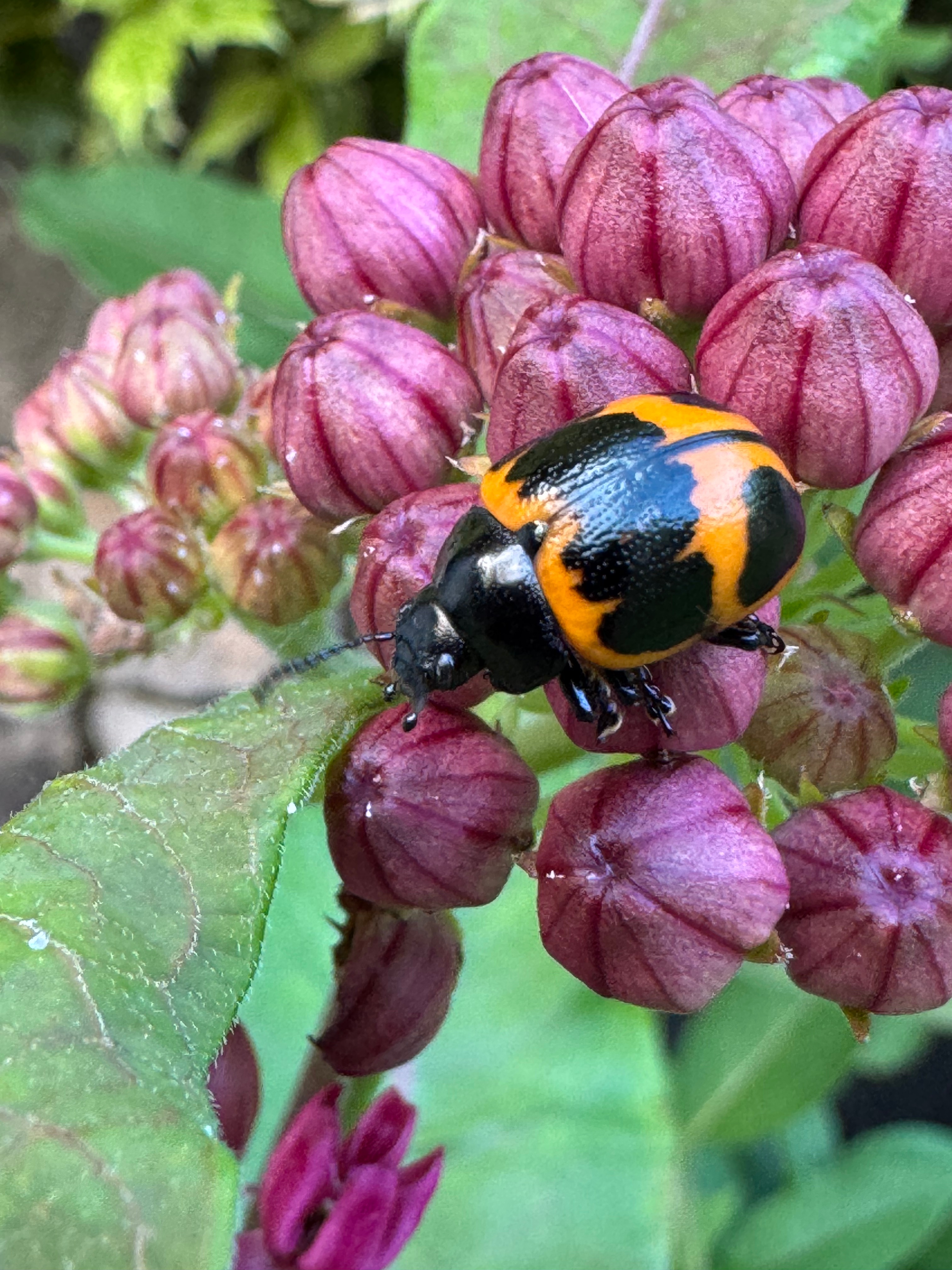
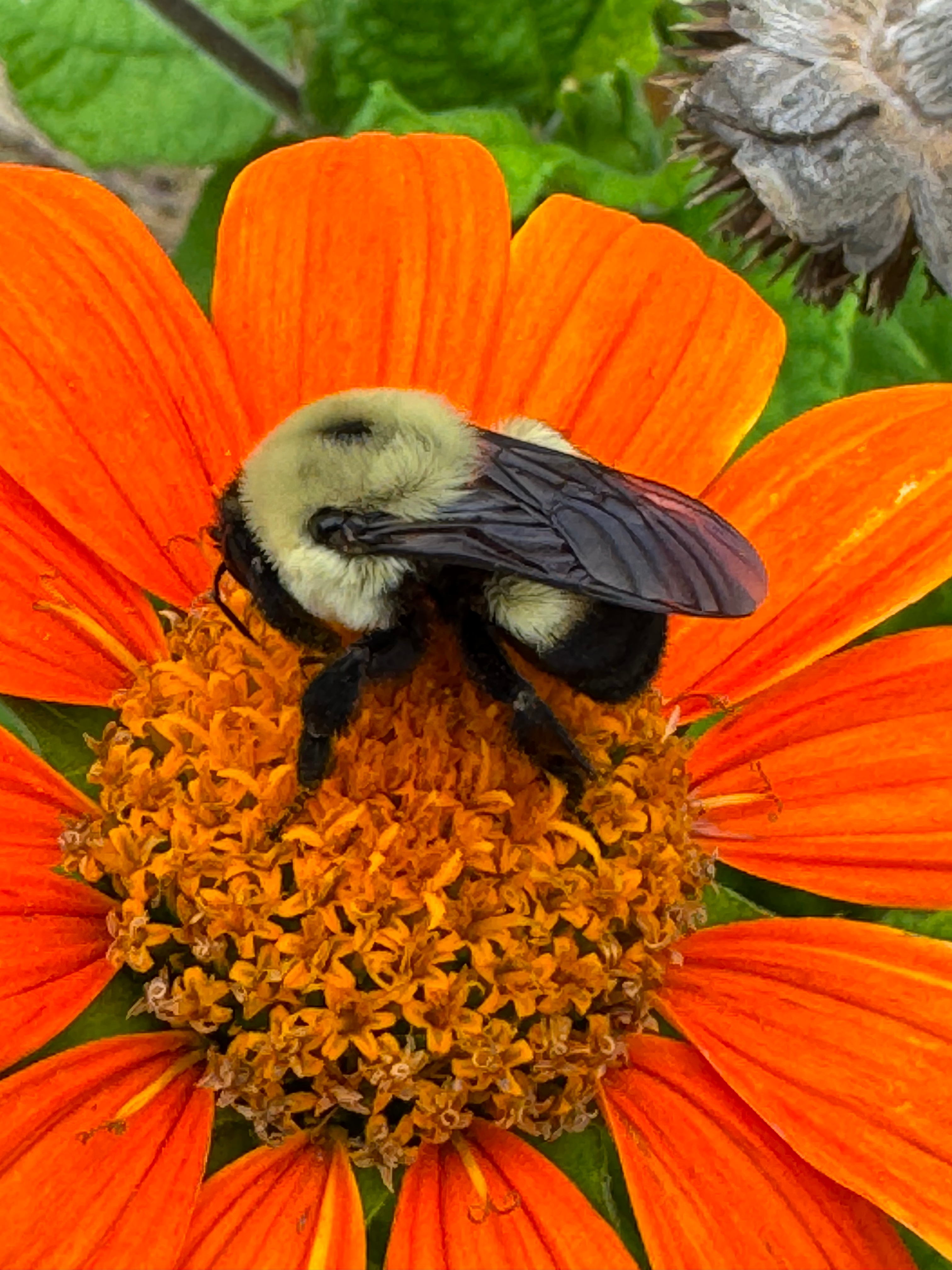
When we moved from our Hughes Street location, we potted up our pollinator plants and farmed them out with garden members until we could find a new garden spot. After a year and a half when we found our current location on Tingen Road, we transferred the plants to our new pollinator gardens. A generous donation from the South Wake Conservationists allowed us to expand with even more plants that are native to North Carolina. The old saying about perennials has certainly been true so far: The first year they sleep, the second year they creep, and the third year they leap. Come out and see our leaping pollinator plants.
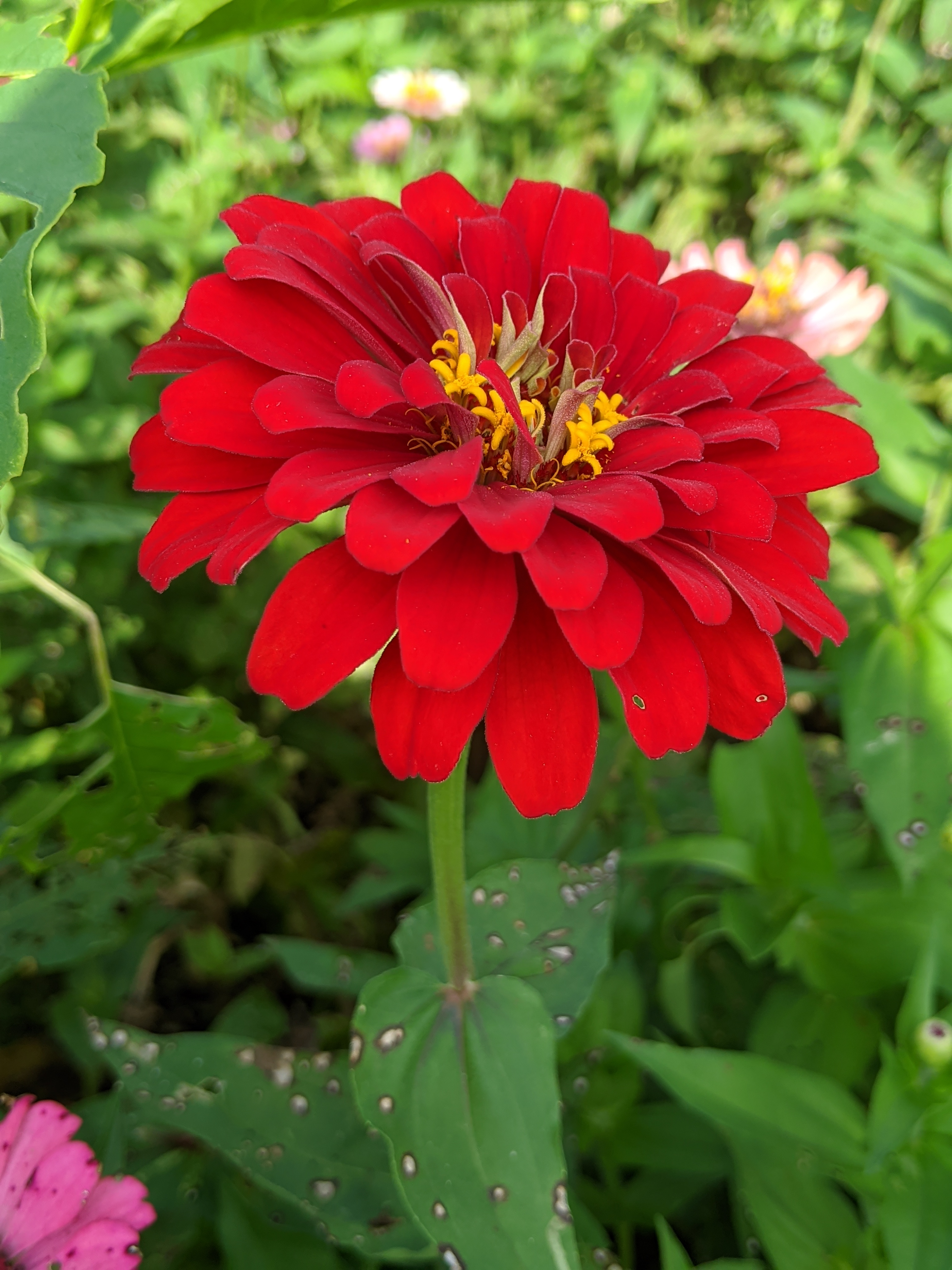
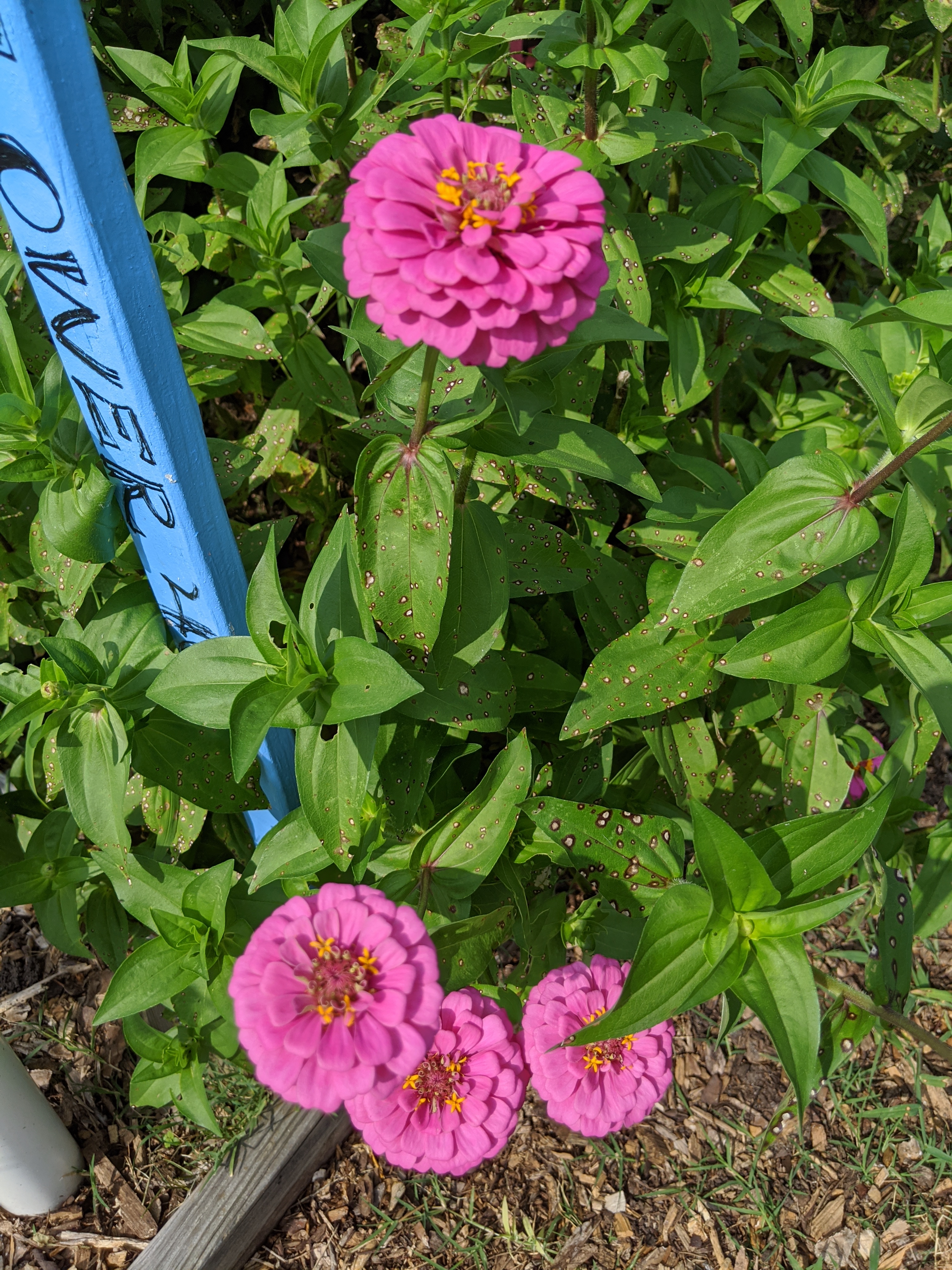
Each year, we also plant a lovely cutting garden with zinnias, cosmos, tithonia, and other annuals. Sharing this garden are the pollinators that visit the flowers for nectar and the gardeners who occasionally cut bouquets to take home or to bring cheer to folks at local nursing homes.
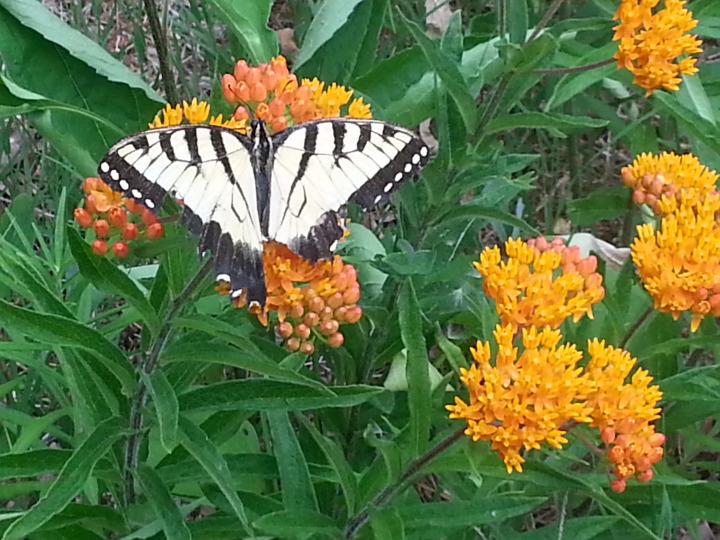
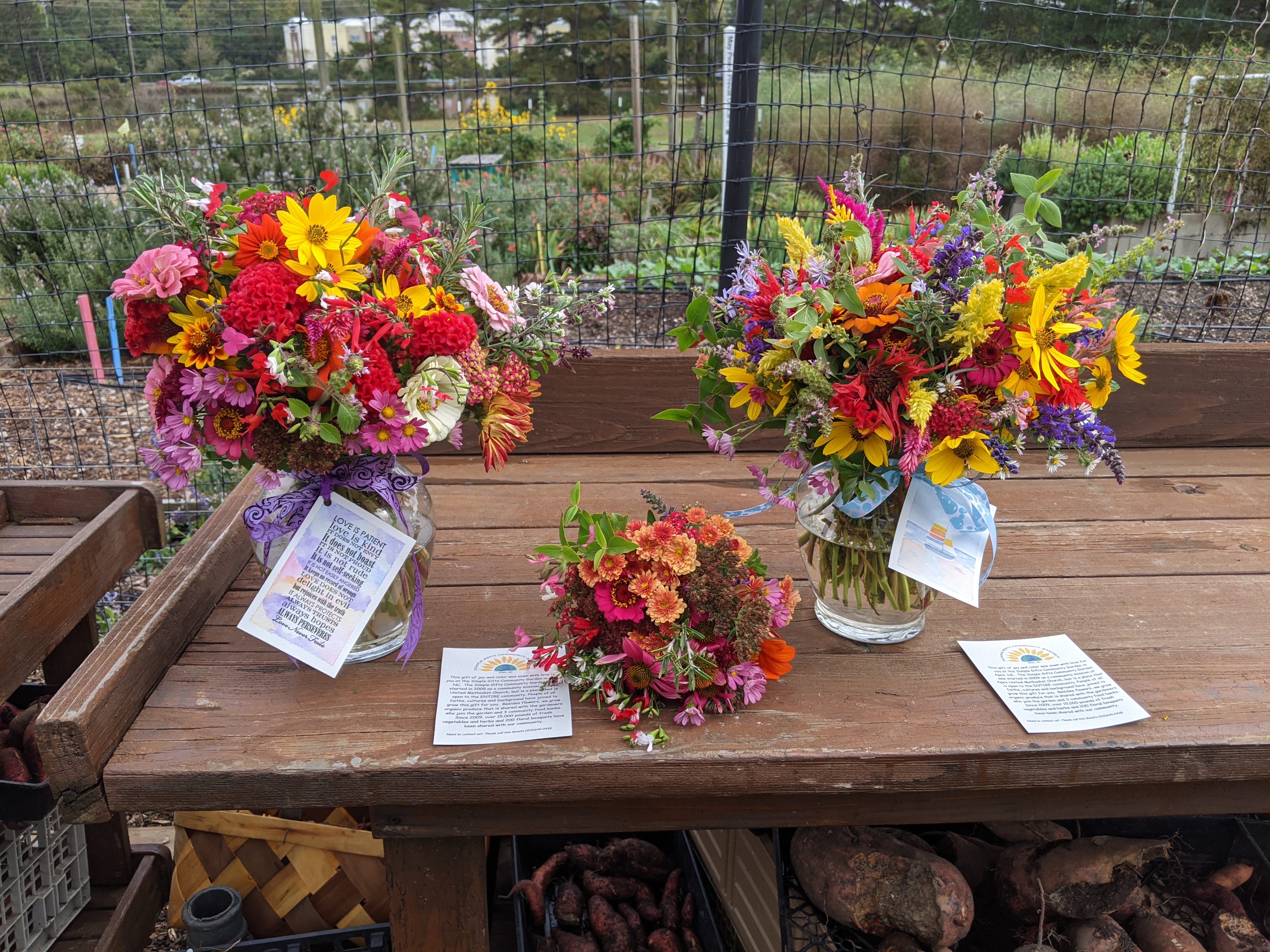
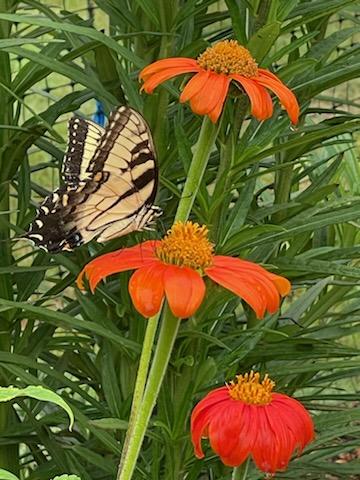
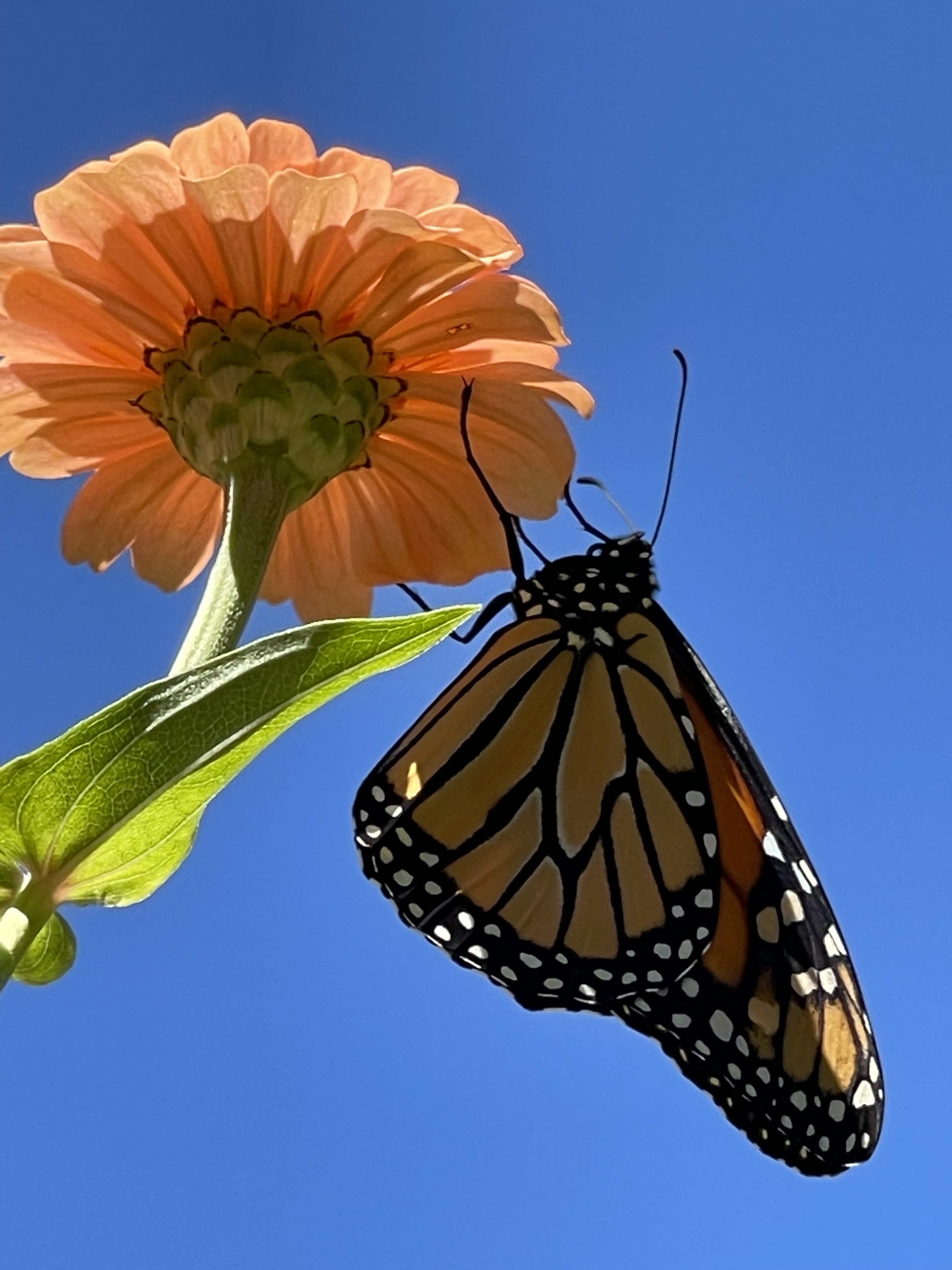
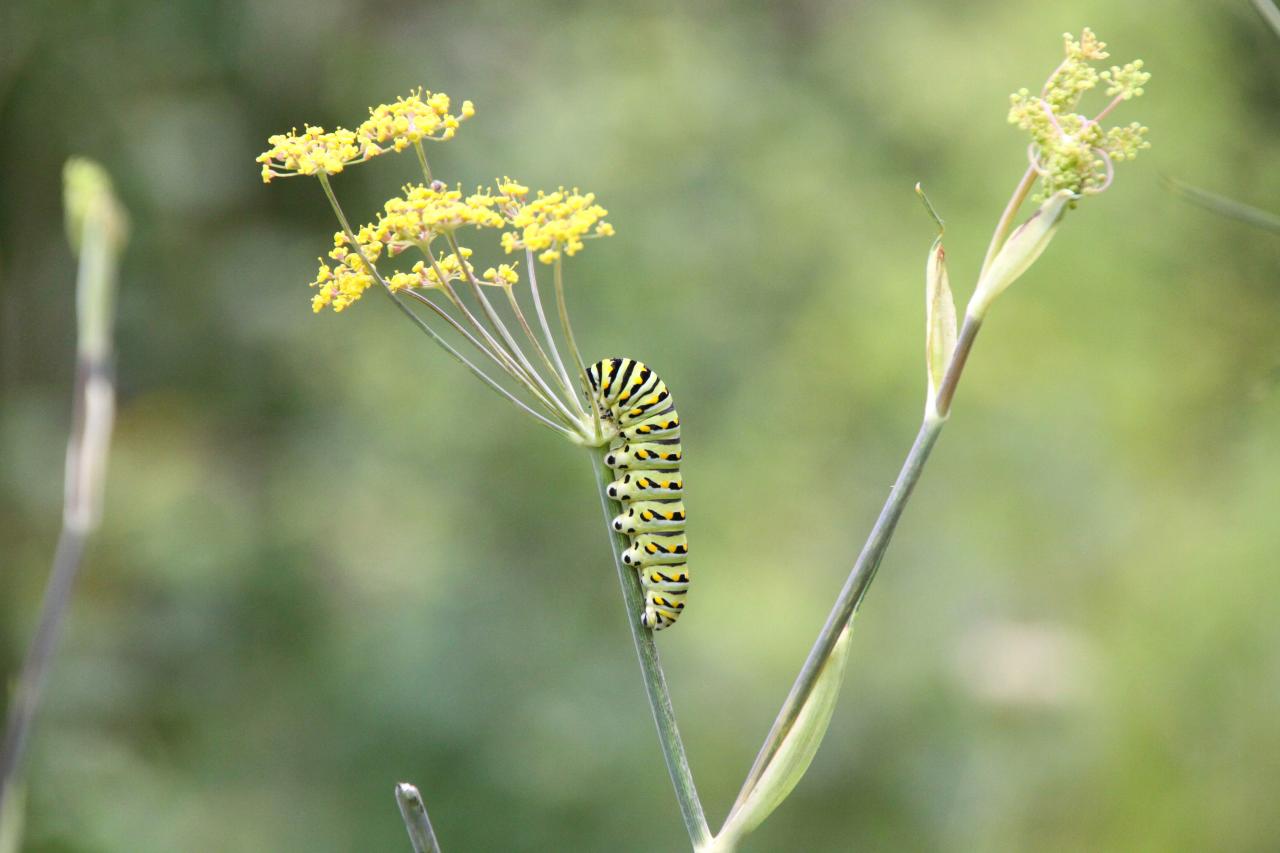
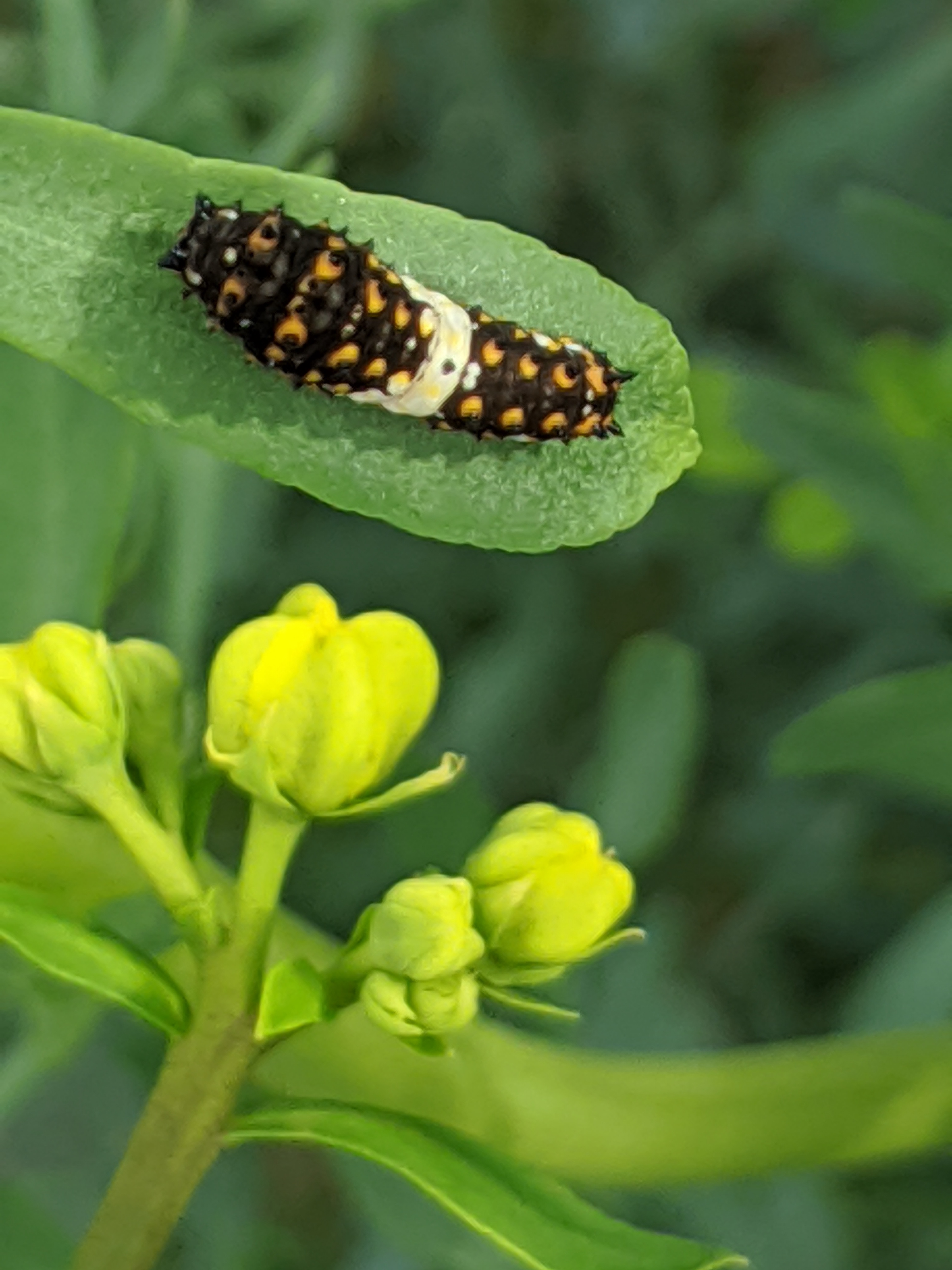
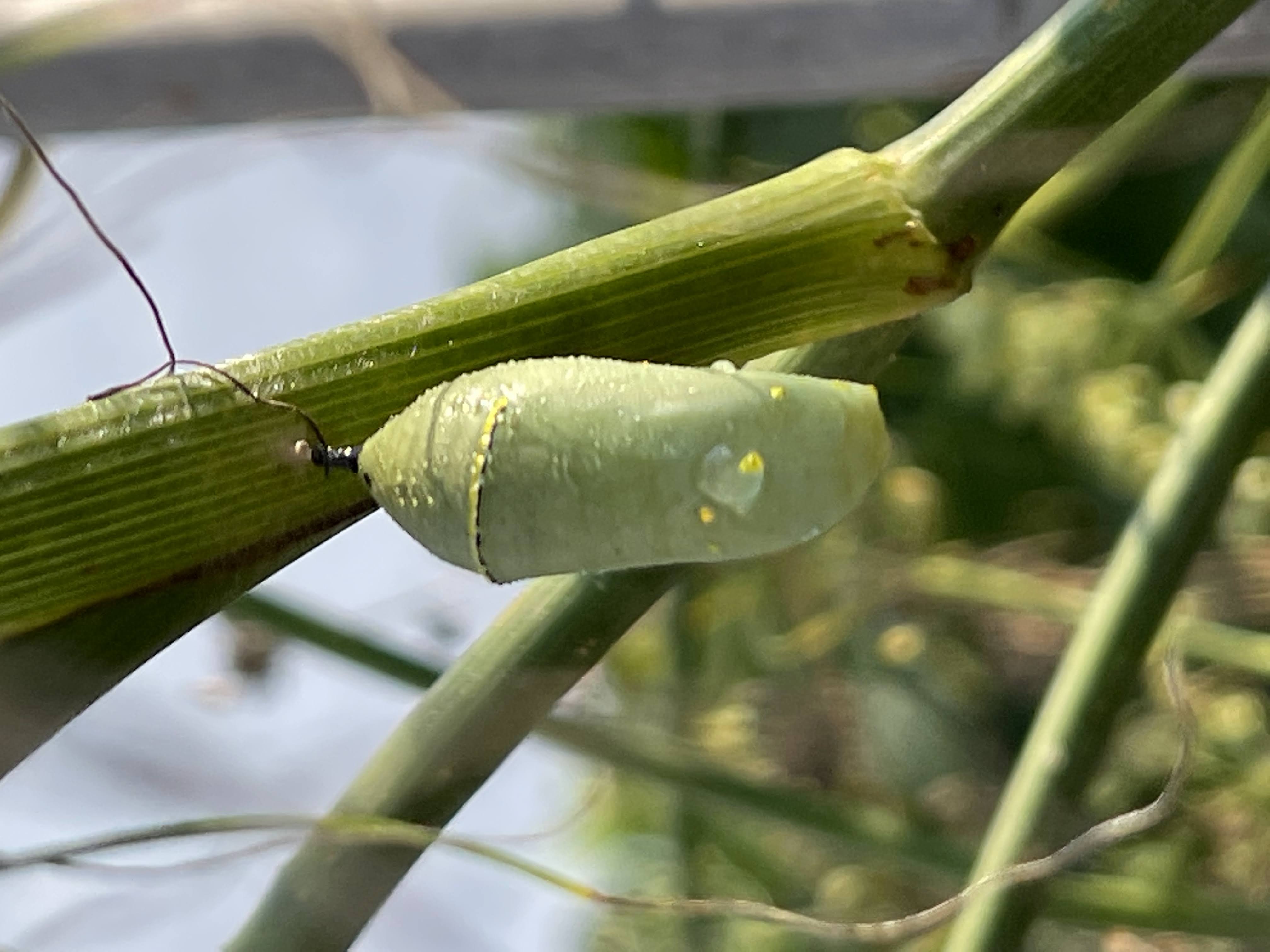
Throughout our pollinator and herb gardens, we have planted milkweed, fennel, parsley, and rue that support caterpillars of swallowtail and monarch butterflies.
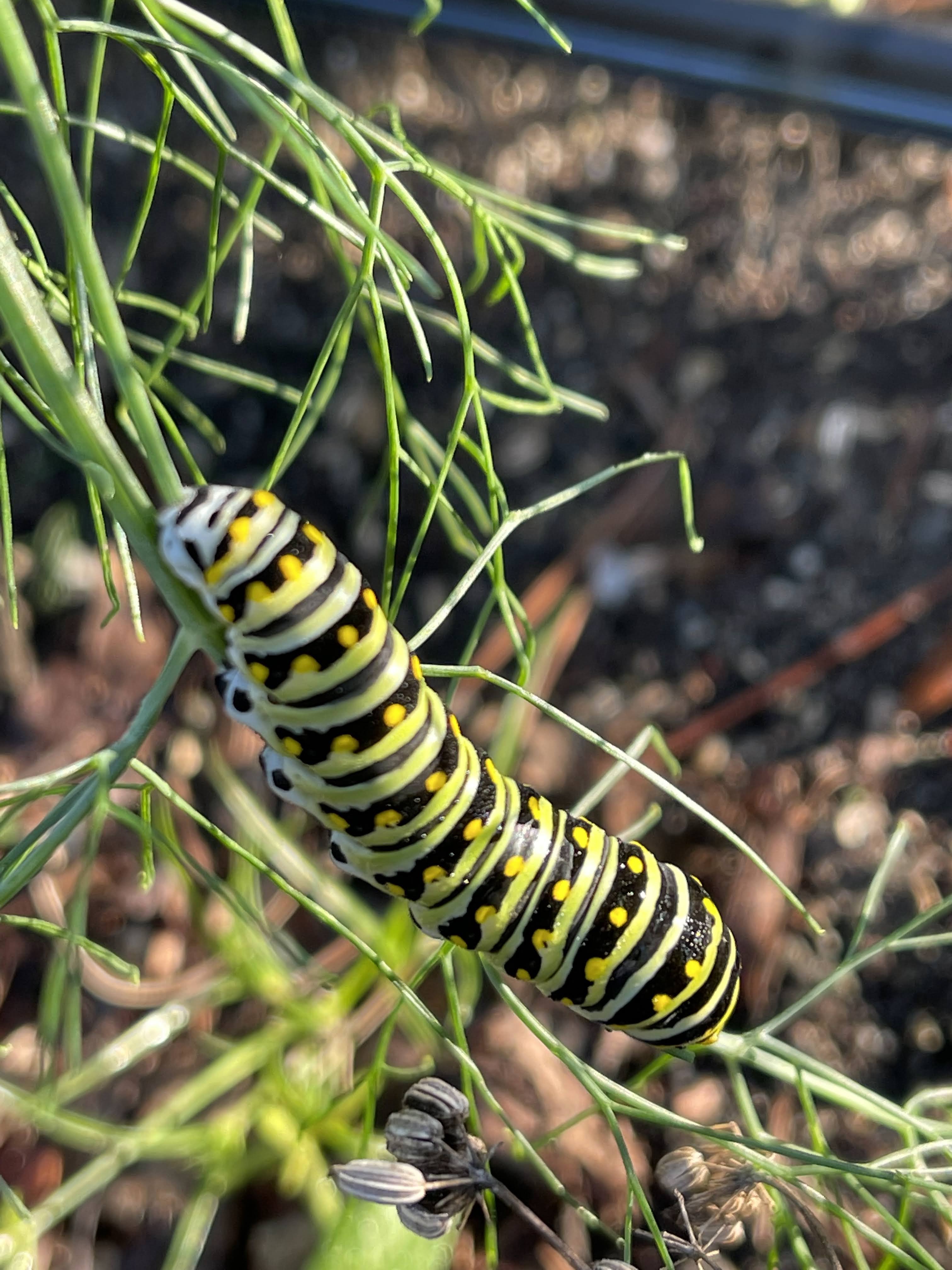
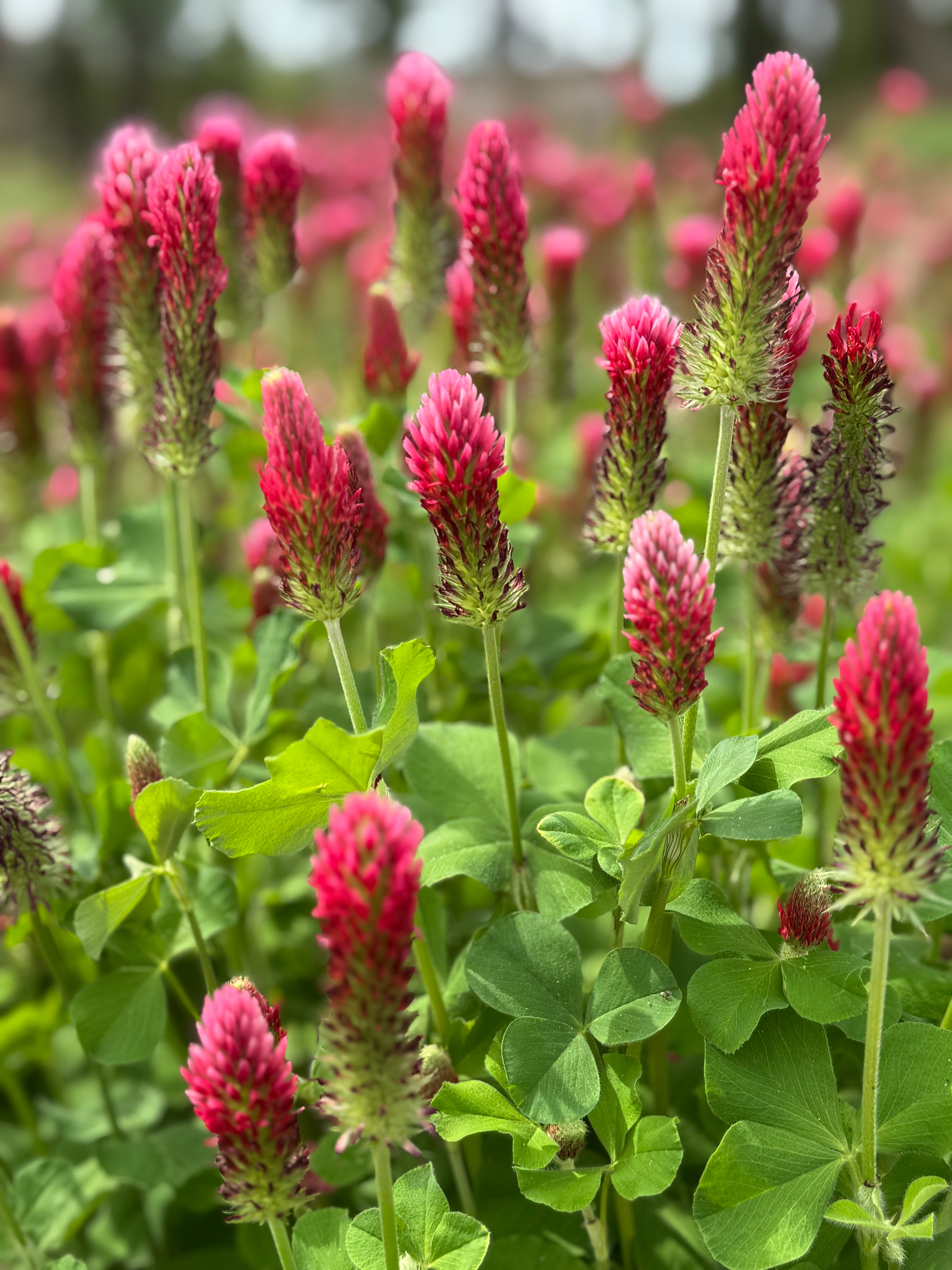
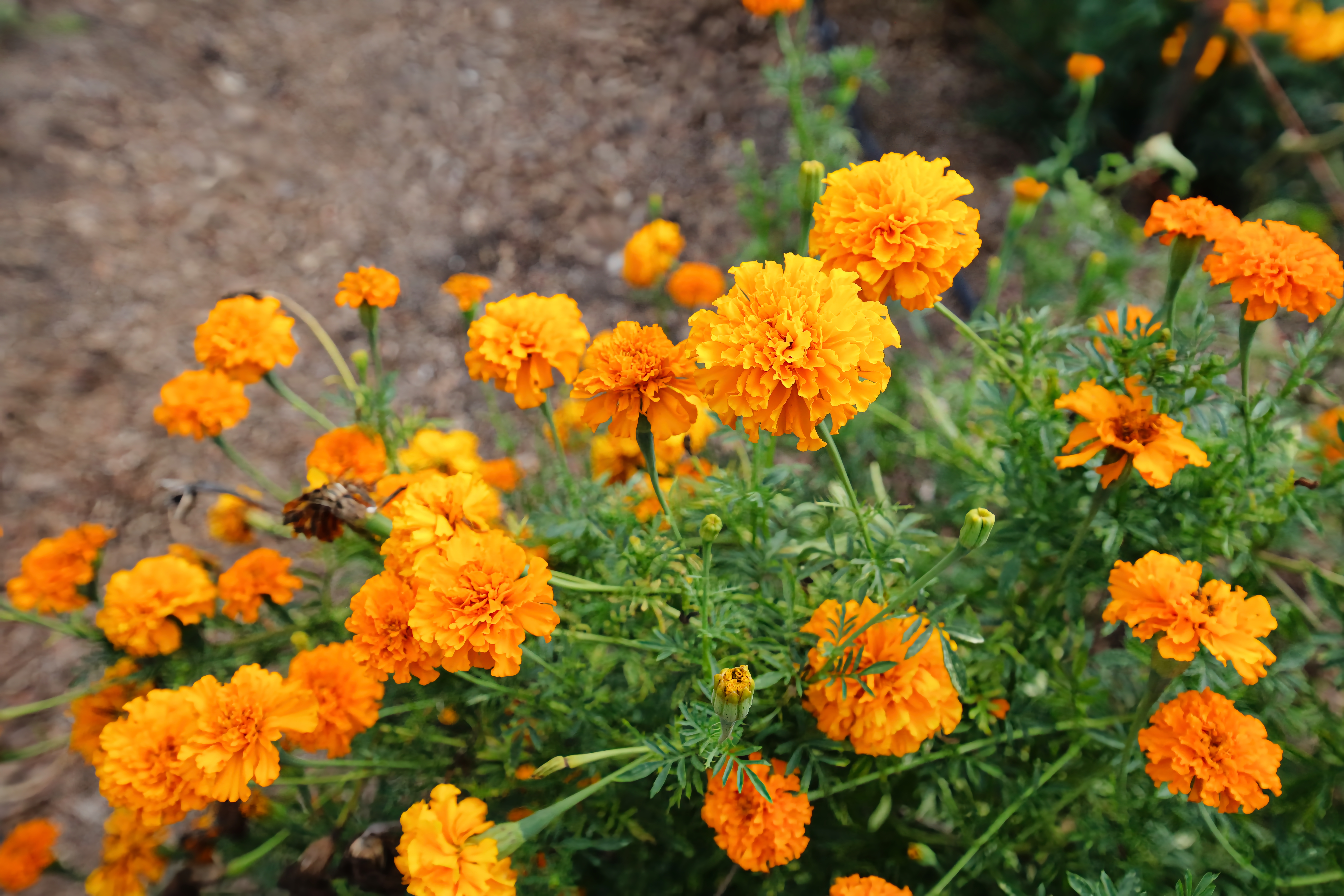
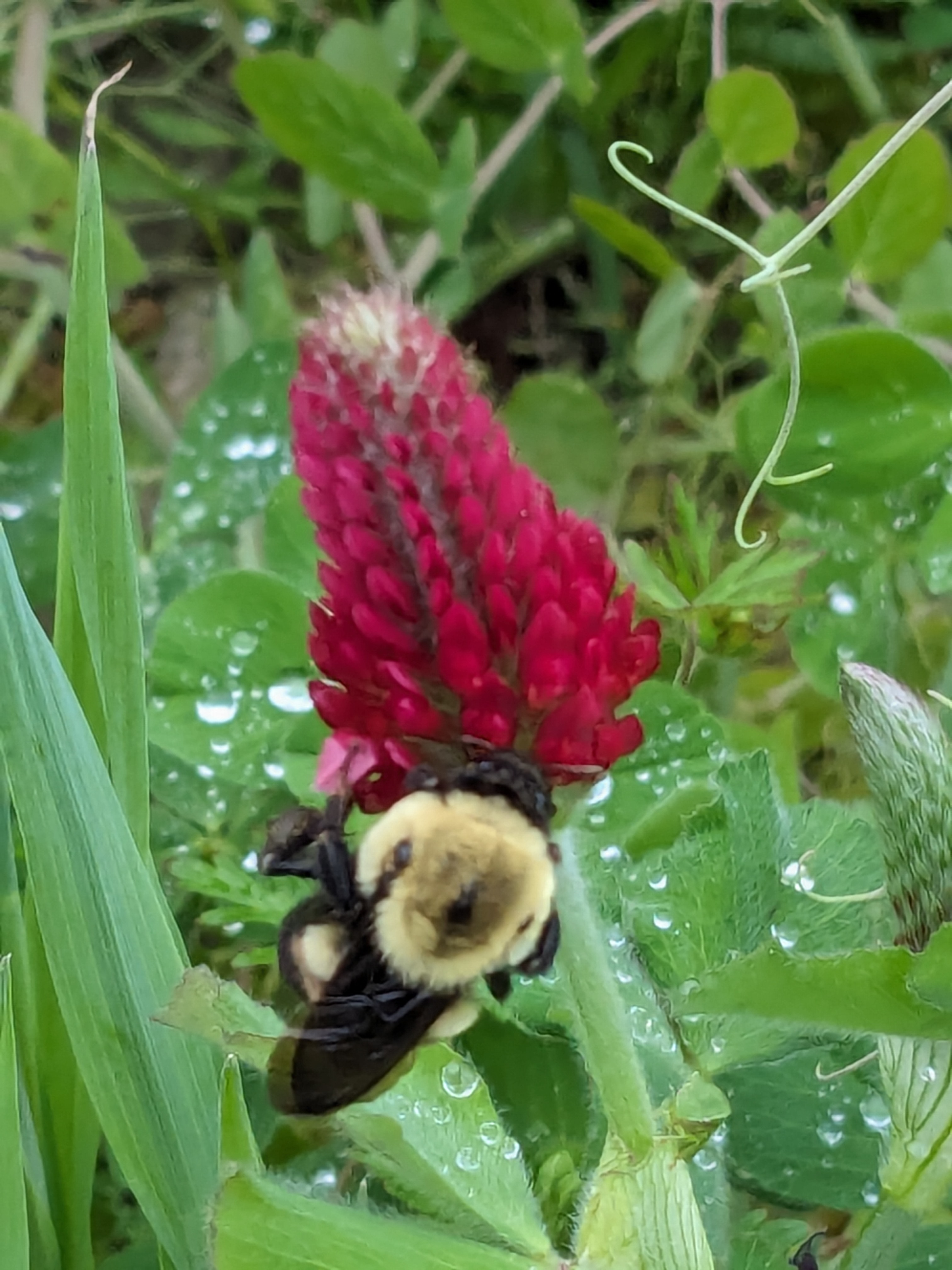
You may notice flowers growing among the vegetables in our rows, too. In addition to their beauty, these companion plants attract beneficial insects and repel pests. In the winter, we also plant rows of red clover and winter pea as cover crops that improve soil fertility and, when blooming, attract a multitude of pollinator insects.
 Simple Gifts Community Garden